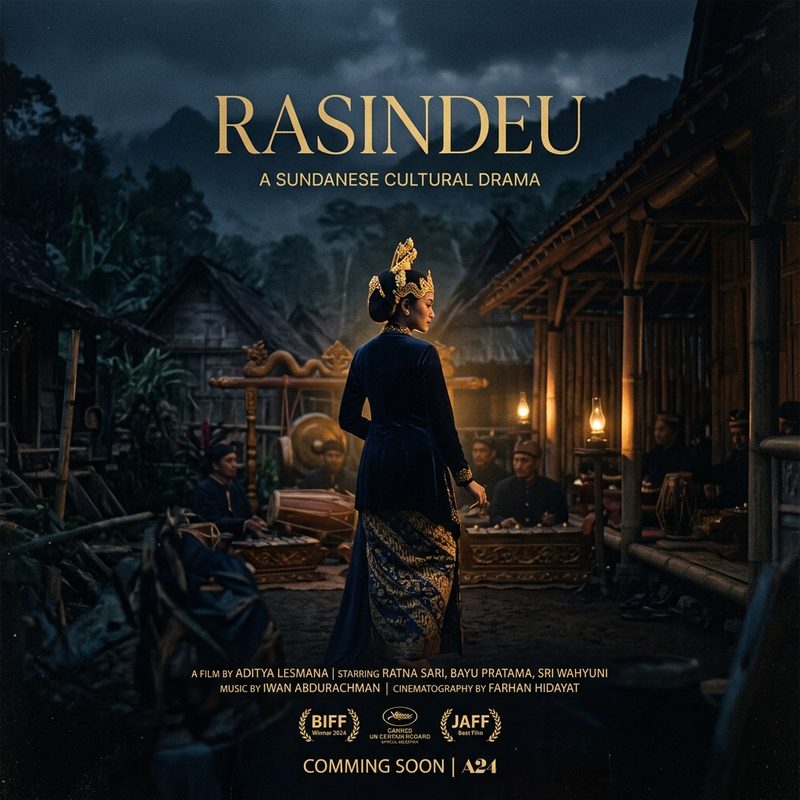
In an era dominated by globalized streaming content, local narratives often struggle to find their voice. Yet, integrating authentic cultural heritage into modern cinema provides a unique texture that impossible to replicate on a soundstage.
The Challenge of Adaptation
When producing projects like Rasindeu or Kujang Sasaka, the primary hurdle isn't just technical—it's anthropological. How do you respect centuries of Sundanese tradition while structuring a narrative that adheres to modern pacing?
Our approach was to involve cultural consultants not just in the script phase, but actively during production design and principal photography. The wardrobe, the dialect, the intricate rituals—everything had to be historically accurate yet cinematically legible to global audiences.
"Culture is not a costume you put on a film; it is the soil from which the story must organically grow."
Visualizing the Mythos
Cinematography plays a massive role in bridging the gap between myth and modernity. We opted for natural lighting where possible, utilizing the breathtaking landscapes of West Java to serve as more than just a backdrop. The environment became a character itself, deeply tied to the folklore we were exploring.
The soundscape was equally vital. Incorporating traditional instruments like the Angklung and Karinding into a contemporary orchestral score elevated the emotional resonance without feeling anachronistic.
Final Thoughts
Producing culturally significant films is a profound responsibility. It is less about commercial exploitation and more about preservation. By giving these stories a premium cinematic treatment, we ensure they continue to be celebrated by the next generation.